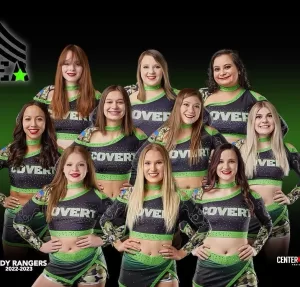
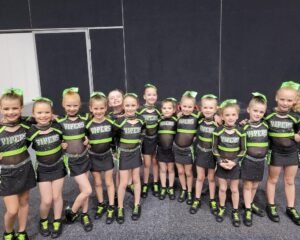
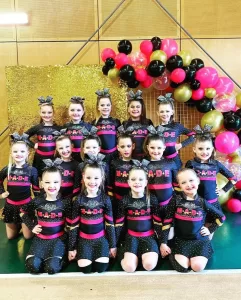
Majorette attire has a rich history, ka whai i ona putake ki nga kakahu o te ope taua pakeha. Te mahi tuatahi, it gradually transformed into a more feminine and ornamental garment. Today, Majorette clothing enjoys global popularity, each region infusing its unique cultural nuances into its design.
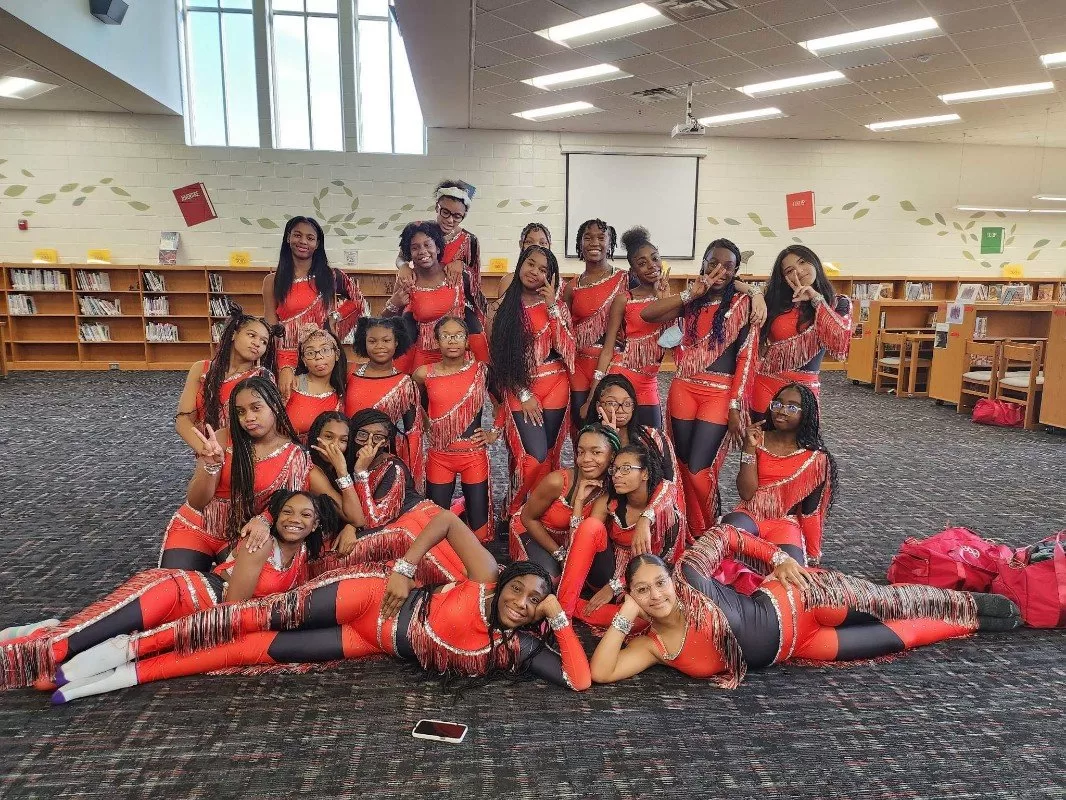
Elements of Majorette Costume Design
- Short skirts or shorts: These signify the youthful energy and vitality of women.
- Tights: Emphasizing the woman’s curves and physique.
- High boots: Symbolizing strength and confidence.
- Hat: Reflecting team spirit and discipline.
- Ribbons or tassels: Signifying the dynamism inherent in dance and performance.
- Sequins or decorations: Adding a touch of splendor and festivity to the ensemble.
Performance and Expression
Kākahu Kaiwhaiwhai transcends mere clothing; it becomes a conduit for the performer’s personality and emotions. Designs often feature vibrant hues, sparkling adornments, and sleek contours, enhancing both visual impact and revealing the wearer’s self-assurance and charm. Every individual donning a Majorette Costume commands the stage, their movements and expressions exuding a potent blend of power and passion.
Teamwork and Unity
Beyond individual expression, Majorette Costume symbolizes teamwork and solidarity. During parades and musical displays, Majorettes often collaborate with bands and dance troupes. Their attire harmonizes with the overarching theme and style of the performance group, visually reinforcing collective cohesion and unity.
Culture and Identity
While Majorette Costume enjoys widespread recognition in Western culture, its significance varies across different societies. In non-Western cultures, similar roles as team leaders may carry deeper religious, ethnic, or social connotations. Consequently, costume designs are imbued with local customs and traditions, reflecting the wearer’s identity and social standing.