

Wholesale gymnastics leotards can be purchased as an established brand range, a supplier’s stock collection or a custom private-label line. These models have different minimums, margins, lead times and design control. Define the business model first, then compare like with like.
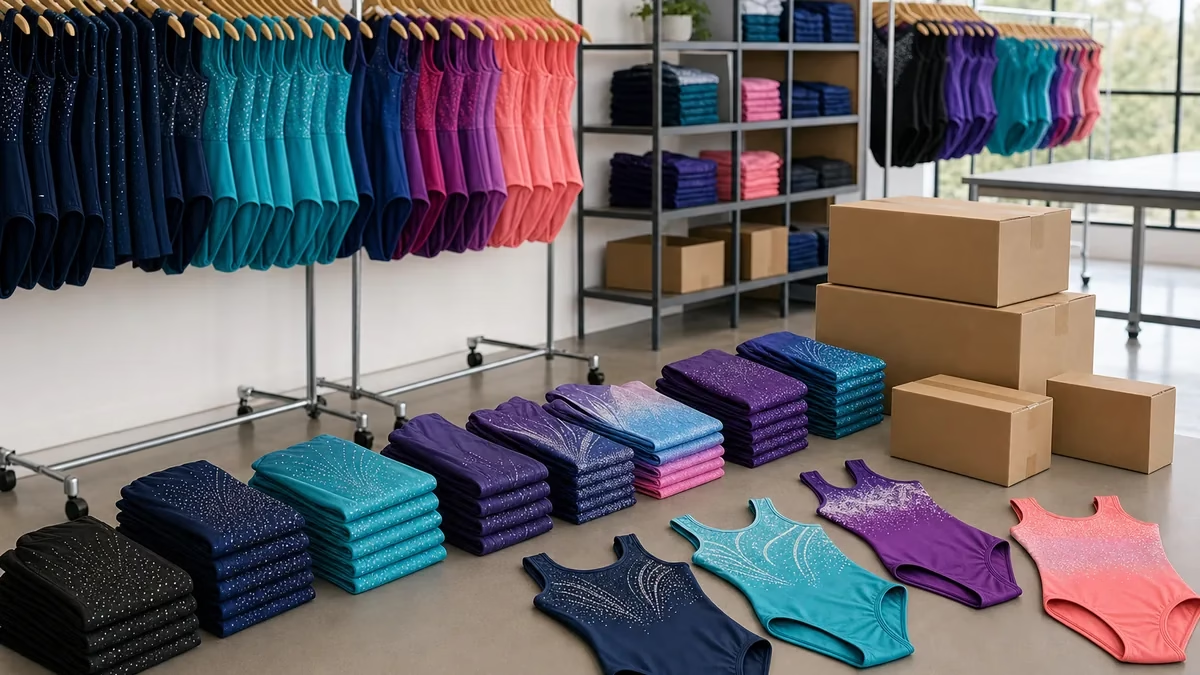
Wholesale gymnastics leotards: choose the sourcing model
- Branded wholesale: resell an existing brand under its name.
- Stock supplier: buy available designs with limited customization.
- Club custom: order a team-specific design and size mix.
- Private label: develop products carrying the buyer’s brand and packaging.
2. Define the customer and use
Training leotards, competition leotards and club uniforms have different price, decoration and repeat-purchase patterns. Specify the athlete age range and expected retail or team use.
3. Build a focused opening range
A small, coherent collection is easier to buy and sell than too many untested styles. Consider a core silhouette in several graphics or a small mix of training and competition options.
4. Understand minimum order quantities
Ask whether minimums apply per design, color, fabric, size or total order. Also confirm reorder minimums, since replenishment can be more important than the first purchase.
5. Check size architecture
Review youth and adult measurements, grade rules and tolerances. If the products will be sold online, accurate garment information and a clear measuring guide can reduce returns.
6. Sample the actual specification
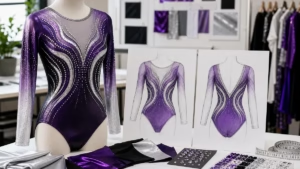
Evaluate the same fabric, print method, lining and decoration planned for production. A generic showroom sample may demonstrate sewing quality but not the performance of your design.
7. Plan labels and packaging
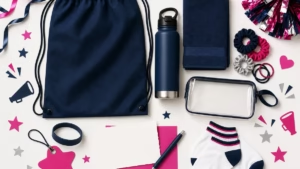
Private-label buyers may need woven labels, care labels, hangtags, barcodes, size stickers and individual bags. Supply required legal or fiber information and verify destination-market obligations.
8. Set quality standards
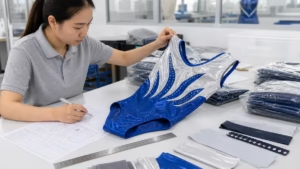
Define measurement tolerances, print placement, acceptable shade variation, seam expectations and decoration attachment. Agree on inspection and defect handling before shipment.
9. Calculate landed cost
Include product, samples, packaging, inspection, freight, insurance, duties, taxes and local delivery according to the agreed shipping terms. Use landed cost when planning retail margin.
10. Create a replenishment plan
Ask how long materials and artwork will be retained, whether colors can be matched and how quickly best-selling sizes can be reordered. Keep approved specifications organized by style code.
Wholesale inquiry checklist
- Business type and destination market
- Target styles and quantities
- Youth/adult size range
- Branding and packaging requirements
- Target launch or event date
- Shipping destination and preferred trade terms
- Testing or documentation requirements
For US consumer sales, use the FTC clothing and textiles guidance as a starting point when planning fiber, country-of-origin, business identity and care information.
NewMe supports custom and wholesale projects through its gymnastics leotard manufacturing service. Send the intended range, quantities, destination and branding needs through the B2B inquiry form.
Wholesale gymnastics leotards should be compared by landed cost, sample performance, size consistency and the supplier’s repeat-order process.
Frequently asked questions
Can wholesale orders include mixed sizes?
Often yes, but the allowed breakdown depends on the supplier and design. Confirm size minimums and extended-size rules before placing the order.
What is the difference between wholesale and private label?
Wholesale describes buying in quantity for resale or team use. Private label adds the buyer’s brand identity and may require custom development, labels and packaging.