

Wenn ich mich auf moderne Cheerleading-Uniformen ansehe, Ich sehe sie nicht mehr als einfache Performance-Outfits. Today’s cheer uniforms need to do much more than look attractive under the lights. They need to support movement, help athletes stay comfortable, hold up through intense routines, and still create a strong visual impression.
That balance between performance and style is what makes cheer uniform design so interesting.
A great cheerleading uniform should move with the athlete during jumps, stunts, tumbling, and dance. It should feel breathable during long practices and competition days. It should dry quickly, stretch comfortably, and keep its shape after repeated wear. At the same time, it still needs to look sharp, branded, and visually exciting.
In this article, I’ll share the functional design trends I see shaping modern cheerleading uniforms, especially stretch fabrics, breathable construction, quick-dry materials, flexible fit, mesh panels, and performance-focused style details.

Why Function Matters in Cheerleading Uniform Design
Cheerleading is highly athletic. Athletes are not just standing in uniform for photos. They are jumping, lifting, tumbling, dancing, twisting, landing, and performing in front of judges and crowds.
Because of that, the uniform must work with the body, not against it.
When I evaluate a cheer uniform, I pay attention to several practical questions:
- Can the athlete move freely?
- Does the fabric stretch and recover?
- Does the uniform stay in place during movement?
- Is the material breathable?
- Does it dry quickly after sweat?
- Are seams comfortable?
- Does the design support stunts and tumbling?
- Will the uniform still look polished after repeated wear?
A uniform may be beautiful, but if it feels heavy, stiff, hot, or restrictive, it can distract the athlete. The best modern cheerleading uniforms combine visual style with real performance value.
1. Stretch Fabrics for Full Range of Motion
One of the biggest trends in cheerleading uniform design is the use of high-stretch performance fabrics.
Cheerleaders need full freedom of movement. A uniform must stretch through the shoulders, waist, hips, arms, and legs without pulling, pinching, or losing shape.
Why Stretch Matters
Stretch fabric is important for:
- Toe touches
- Back handsprings
- Tumbling passes
- Stunts
- Basket tosses
- High kicks
- Dance motions
- Jumps and landings
Meiner Erfahrung nach, a good stretch fabric helps the uniform feel more like performance activewear instead of a stiff costume. This is especially important for All Star cheerleading, where routines are fast, technical, and physically demanding.
Common Stretch Fabrics
Modern cheer uniforms often use:
- Spandex blends
- Lycra blends
- Polyester-spandex
- Nylon-spandex
- Four-way stretch fabrics
- Performance knit materials
Four-way stretch is especially useful because it allows movement both horizontally and vertically. This helps the uniform move naturally with the body.
Style Benefit: Stretch fabric also improves the look of the uniform. It creates a smooth, fitted silhouette and helps the garment stay clean and sharp throughout the routine.
2. Breathable Mesh Panels
Breathability is another major design priority in modern cheer uniforms.
Cheerleaders often perform under bright lights, inside warm gyms, or during long competition days. Without breathable areas, uniforms can feel hot and uncomfortable.
That is why mesh panels have become so popular.
Where Mesh Works Best
I often see mesh used in:
- Ärmel
- Shoulder panels
- Upper back areas
- Seitenpaneele
- Neckline details
- Waist inserts
- Illusion cutouts
Mesh gives designers a way to add airflow without making the uniform look plain. It can also create a stylish visual effect, especially when used as an illusion panel.
Performance Benefit: Breathable mesh helps improve comfort by allowing more air circulation. This can be especially helpful during long wear, warmups, and high-energy routines.
Style Benefit
Mesh also adds dimension to the design. A sheer sleeve, back panel, or neckline insert can make a uniform look modern and high-end while still serving a practical purpose.
The key is placement. I prefer mesh in areas where the body needs airflow but not in high-stress zones where athletes may grip, pull, or create heavy friction during stunts.
3. Quick-Dry and Moisture-Wicking Materials
Quick-dry fabrics are becoming more important in cheerleading uniforms because athletes sweat during practice, warmups, and competition routines.
A fabric that holds moisture can feel heavy and uncomfortable. It may also affect how the uniform looks and feels after repeated use.
Why Quick-Dry Fabric Matters
Quick-dry and moisture-wicking fabrics help by:
- Moving moisture away from the skin
- Helping the uniform feel lighter
- Reducing the sticky feeling of sweat
- Improving comfort during long wear
- Supporting better freshness between activities
- Helping the garment dry faster after washing
For competition teams, this matters because athletes may wear uniforms for hours before and after their actual routine.
Best Use Areas
I like quick-dry fabrics for:
- Main bodice panels
- Ärmel
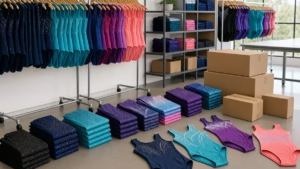
- Practice uniforms
- Warmup pieces
- Linings
- Skirts and shorts
- Travel teamwear
A performance cheer uniform should not only look good at the start of the day. It should remain comfortable through warmups, waiting time, performance, photos, and awards.
4. Lightweight Construction
Another trend I see is a move toward lighter uniform construction.
Older cheer uniforms could sometimes feel thick, stiff, or overly layered. Modern designs are moving toward lighter materials that still look structured.
Why Lightweight Design Helps
A lightweight uniform can help athletes feel:
- Less restricted
- Cooler during performance
- More comfortable during long events
- Faster and freer in movement
- Less distracted by the garment
This does not mean the uniform should feel flimsy. A good lightweight design still needs strong stitching, quality fabric, and secure fit.
How Designers Reduce Weight
Weight can be reduced by using:
- Performance stretch fabrics
- Sublimated designs instead of heavy appliqué
- Strategic rhinestone placement
- Lightweight mesh accents
- Thin but durable linings
- Clean panel construction
- Less bulky trim
In my opinion, the best lightweight cheer uniforms still feel premium. They simply avoid unnecessary heaviness.
5. Flexible Seams and Better Fit Engineering
Fabric is important, but construction matters just as much.
A uniform can use good fabric and still feel uncomfortable if the seams are poorly placed or the fit is not designed for movement.
What I Look For in Fit
When I review a cheer uniform, I pay attention to:
- Shoulder mobility
- Armhole comfort
- Sleeve stretch
- Waistband security
- Skirt or short movement
- Neckline comfort
- Nahtplatzierung
- Coverage during stunts and tumbling
- How the uniform fits in motion, not just standing still
Cheer uniforms should be tested with movement. A design that looks good on a mannequin may not work the same way during a routine.
Trend: Athletic Fit Instead of Costume Fit
Modern cheer uniforms are moving closer to athletic performance wear. This means better body contouring, more flexible seams, and less restriction.
I think this is a positive trend because cheerleading is a sport that requires real athletic performance. The uniform should respect that.
6. Sublimation for Style Without Extra Weight
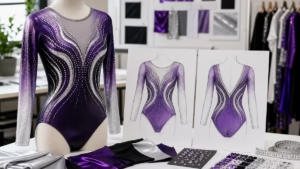
Sublimation has become a popular design method because it allows teams to create bold graphics without adding heavy layers of fabric.
With sublimation, patterns and colors are printed into the fabric. This can create a clean, lightweight design with strong visual impact.
Why Teams Like Sublimation
Sublimation works well for:
- Gradients
- Team colors
- Logo graphics
- Pattern effects
- Geometric designs
- Shadow details
- Motion-inspired artwork
- Custom themes
Instead of sewing multiple fabric pieces together, sublimation can create the look of complex design while keeping the uniform smooth and flexible.
Performance Benefit: Because sublimated designs do not add bulky layers, the garment can remain lighter and more comfortable.
Style Benefit
Sublimation gives teams more creative freedom. A uniform can include sharp lines, color fades, star patterns, school colors, or brand-inspired graphics without becoming too heavy.
For teams that want both style and comfort, sublimation is often a smart option.
7. Strategic Rhinestone Placement
Rhinestones are a major part of modern cheer style, especially in All Star uniforms. But the trend is shifting from simply adding more stones to using them more strategically.
Why Placement Matters
Rhinestones should highlight the design. They can draw attention to:
- Logos
- Necklines
- Waistbands
- Sleeve lines
- Skirt details
- Shoulder shapes
- Graphic patterns
- Team initials
When rhinestones are placed with purpose, they create sparkle without overwhelming the uniform.
Performance Consideration
Too many rhinestones can add weight and may affect flexibility if placed in high-movement areas. They can also increase production cost.
That is why I prefer rhinestone layouts that support the uniform’s shape and branding. A strong logo sparkle or neckline accent can often be more effective than covering every panel.
Style Benefit
Strategic rhinestones create a premium look. They help the uniform shine under lights while keeping the design controlled and professional.
8. Cut-Outs and Illusion Details with Function in Mind
Cut-outs, strappy backs, and illusion mesh details are common in modern cheer uniforms. These features can make a uniform look stylish and memorable.
But they need to be designed carefully.
What Makes Cut-Outs Work
A good cut-out design should:
- Stay secure during movement
- Maintain appropriate coverage
- Support the athlete’s comfort
- Match the team’s age level
- Work with undergarments if needed
- Avoid weak points in high-stress areas
I like cut-outs when they are part of the overall design, not just added for decoration.
Illusion Mesh
Illusion mesh can create the look of open space while still providing coverage. This is useful for teams that want a modern style without sacrificing practicality.
Mesh backs, shoulder inserts, and neckline panels can add a fashion-forward look while supporting breathability.
9. Durable Materials for Repeated Wear
Cheer uniforms need to last through more than one performance.
Teams may wear uniforms for competitions, showcases, photos, travel days, and sometimes practices. That means durability matters.
What Durability Includes
A durable cheer uniform should resist:
- Fabric stretching out
- Pilling
- Fading
- Loose seams
- Rhinestone loss
- Weak trims
- Color bleeding
- Shape distortion after washing
Fabric and Construction
Durability comes from both material and workmanship. Strong fabric, good stitching, secure decoration, and proper finishing all affect how long the uniform lasts.
Meiner Erfahrung nach, the cheapest option is not always the best value. If a uniform loses shape quickly or needs replacement sooner, the lower upfront cost may not be worth it.
10. Better Balance Between Fashion and Performance
One of the most important trends is balance.
Modern cheer uniforms are becoming more fashionable, but the best designs still respect the athlete’s performance needs.
Style Features Teams Want
Teams often want:
- Bold color blocking
- Unique logos
- Strasssteine
- Metallic accents
- Mesh sleeves
- Custom typography
- Branded patterns
- Matching bows and accessories
- Sleek silhouettes
Performance Features Athletes Need
Athletes need:
- Stretch
- Breathability
- Secure fit
- Lightweight fabric
- Quick-dry comfort
- Durable stitching
- Flexible movement
- Safe coverage
The strongest designs bring both sides together.
A uniform should look exciting in photos, but it should also feel right during a full routine.
11. Matching Accessories as Part of the Functional Look
Accessories are also part of the performance-meets-style trend.
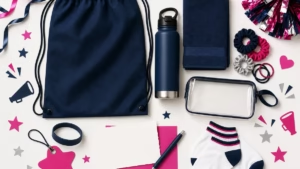
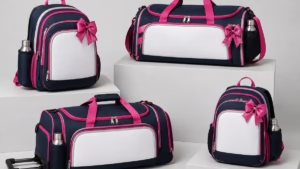
A bow, warmup jacket, socks, bag, or pom poms can support the full team image. But accessories should also be practical.
Functional Accessories
Good team accessories may include:
- Secure cheer bows
- Comfortable socks
- Lightweight pom poms
- Durable team bags
- Warmup jackets
- Hair accessories
- Practice wear
When accessories match the uniform, the team looks more organized. When they are also functional, athletes are better prepared for competition days.
Style Benefit
Matching accessories complete the visual identity. A uniform package with coordinated bows, bags, and warmups looks more professional than a uniform alone.
12. Design Trends I Expect to Keep Growing
Based on what I see in modern cheer uniform development, I expect these trends to keep growing:
- More four-way stretch fabrics
- More breathable mesh placement
- More quick-dry performance materials
- Cleaner sublimated graphics
- Lighter rhinestone layouts
- More athletic fit construction
- More branded accessories
- More custom team identity details
- More balance between comfort and visual impact
Teams want uniforms that look powerful, but athletes also expect comfort. That expectation is shaping the future of cheer uniform design.
How to Choose a Functional Yet Stylish Cheer Uniform
When choosing or designing a cheerleading uniform, I recommend starting with the team’s real needs.
Ask these questions:
- Is the uniform for practice, sideline, competition, or All Star performance?
- How much movement does the routine require?
- Will athletes wear it for long hours?
- Is breathability a priority?
- Does the team need quick-dry fabric?
- How much sparkle is appropriate?
- Should the design be lightweight?
- Does the uniform match the team brand?
- Are accessories part of the full look?
- What is the budget?
A well-designed uniform should match the team’s performance level, identity, and practical needs.
Final Thoughts
The best cheerleading uniforms today are not just stylish. They are functional, athletic, and thoughtfully designed.
Stretch fabrics help athletes move freely. Breathable mesh improves comfort. Quick-dry materials help uniforms feel lighter during long wear. Sublimation adds style without extra bulk. Strategic rhinestones create sparkle without unnecessary weight. Better fit engineering helps the uniform stay secure through stunts, jumps, and tumbling.
In my opinion, the strongest uniform designs are the ones where performance and style work together.
A cheer uniform should make the team look confident, but it should also help athletes feel comfortable and ready to perform. When a uniform supports movement, manages comfort, and still delivers a bold team look, that is where performance truly meets style.