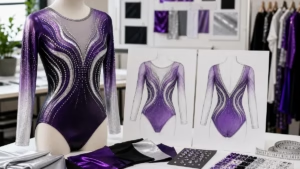


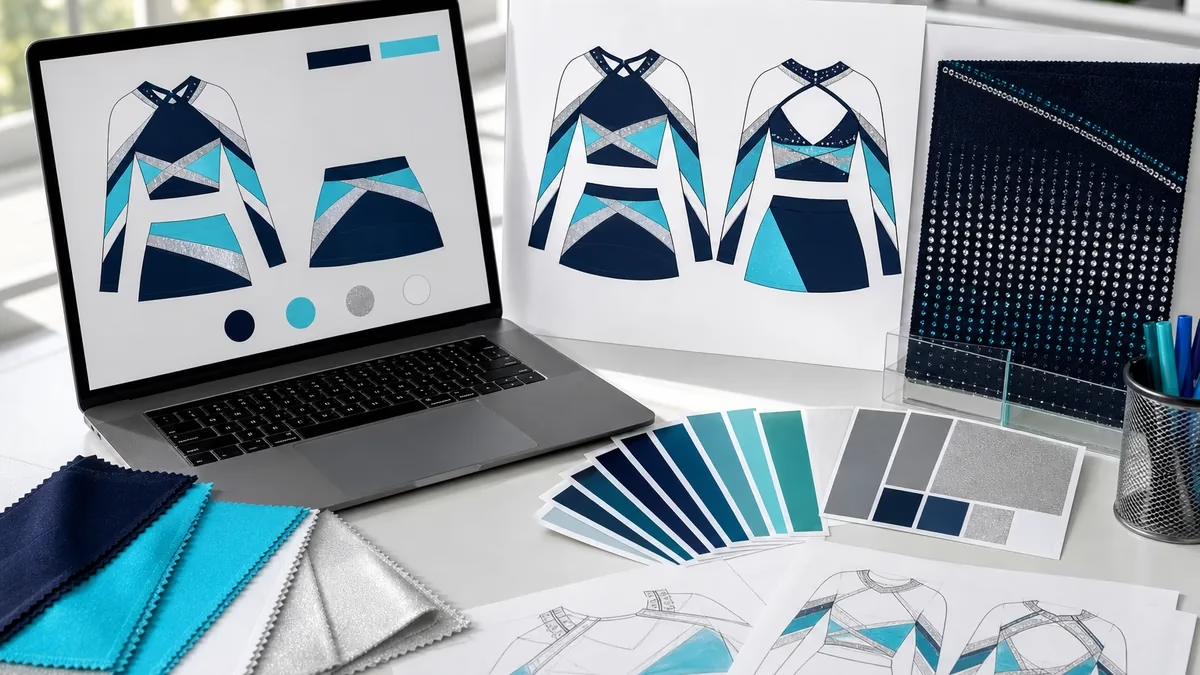
A cheer outfit maker can help coaches and buyers explore colors, panels and logo placement. However, a visual mockup is not automatically a production file. Manufacturers still need construction details, Messungen, artwork and decoration specifications.
What a cheer outfit maker can do
- Compare team color combinations
- Test front, back and sleeve logo positions
- Show stakeholders a consistent visual direction
- Explore skirt, shorts and top combinations
- Create a starting point for a manufacturer conversation
What the mockup usually does not define
A screen design may not specify fabric weight, Stretch, Futter, seam construction, actual rhinestone size, print color standards or garment measurements. It may also use artwork that is too small for clean production.
Build a production-ready brief in 10 steps
- Name the project: include the team, season and version number.
- Define the wearer: identify youth, adult or mixed size ranges.
- Select the pieces: list every top, bottom, liner, brief and accessory.
- Provide front and back views: include sleeves and side panels when relevant.
- Supply vector logos: AI, EPS, SVG or print-ready PDF files are preferable to screenshots.
- Specify colors: provide Pantone references or approved physical swatches when color accuracy matters.
- Label decoration: distinguish sublimation, applique, embroidery, heat transfer and rhinestones.
- Mark coverage needs: note neckline, midriff and skirt or short requirements.
- Add quantity and sizes: include an estimated breakdown for quoting.
- State the deadline: distinguish the event date from the required delivery date.
From concept art to technical artwork
The factory may redraw a concept as technical artwork showing seam lines, panel boundaries, decoration positions and callouts. Review the design at 100% scale where possible. Logos and stones that look balanced on a small screen can appear too large or too dense on a garment.
Why a physical sample still matters
Digital design approval confirms appearance, not fit. A sample allows the buyer to test movement, coverage, Farbe, print sharpness, decoration security and inside comfort. Record every requested change in one revision list to reduce confusion.
Common mistakes to avoid
- Sending only a low-resolution screenshot
- Using color names such as “royal blue” without a reference
- Approving art without checking the back view
- Changing the roster after personalization starts
- Setting a delivery date that leaves no time for sampling
When using inspiration, remember that original graphic and textile artwork can be protected. The US Copyright Office guidance for visual artists explains the basic rights associated with original visual works.
You can send a sketch, reference image or builder screenshot to NewMe as a starting point. The factory team can translate the concept into specifications for custom all-star cheer uniforms or school programs. Use the project inquiry form and include quantity, sizes and timing.
A cheer outfit maker is most useful when its visual concept is followed by clear measurements, materials, artwork files and decoration notes.
Frequently asked questions
Do I need professional design software?
No. A clear sketch or builder concept can start the process, aber stellen Sie originale Logodateien bereit und beantworten Sie die technischen Fragen des Herstellers.
Kann ein Hersteller die Uniform eines anderen Teams kopieren?
Verwenden Sie Referenzen, um die allgemeine Richtung zu kommunizieren, aber erstellen Sie ein originelles Design und liefern Sie nur Logos oder Kunstwerke, die Sie verwenden dürfen.